








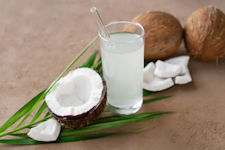
Credit: Kristina Ratobilska / Getty Images
Coconut water doesn’t cleanse your kidneys or treat kidney disease. However, it can support hydration, which is important for healthy kidney function. Whether coconut water is a good choice depends on your kidney function, potassium levels, medications, and overall health.
How Coconut Water May Support Kidney Health
Can Help You Stay Hydrated
Coconut water can help with hydration, especially if it encourages you to drink more fluids when plain water feels boring. Hydration supports your kidneys by:
- Flushing out bacteria, which may lower your risk of urinary tract infections
- Keeping urine diluted, which may lower your risk of kidney stones
- Protecting against kidney injury
- Supporting blood flow to your kidneys, so they can filter waste through urine
Coconut water also contains electrolytes, which help with fluid balance. Extra electrolytes may be useful after sweating, vomiting, diarrhea, or intense exercise. But more electrolytes are not always better.
May Help Prevent Kidney Stones
The best way to lower your risk of kidney stones is to drink enough fluids. More fluid keeps your urine diluted, which makes it harder for minerals like calcium to clump together and form stones.
Coconut water may offer one extra benefit. Early research suggests it can raise citrate, a substance that binds to calcium in your urine. More citrate in your urine may help lower the risk of some calcium stones.
This is notable since coconut water isn’t naturally high in citrate. However, researchers think its alkalinity (ability to neutralize acid) may trigger your body to make more citrate on its own.
Still, the studies are small, short, and focused on urine changes rather than stone outcomes. Most also involved healthy adults rather than people with a history of stones.
Coconut water may affect your risk of kidney stones, but larger studies are necessary before considering it a prevention strategy.
Other Ways to Help Prevent Kidney Stones
If you have had kidney stones, here are some tips to help lower your risk:
- Drink plenty of fluids: Aim for about 2–3 quarts (64-96 ounces) of water per day, unless your healthcare provider has told you to limit fluids. You will likely need more when you exercise, the weather is hot, or you spend time in a sauna.
- Cut back on sodium: Too much salt can raise calcium in your urine.
- Eat fruits and vegetables: These foods provide nutrients that may help protect against stones.
- Get enough calcium from food: This may sound backward for those with calcium stones, but calcium binds to oxalate in your gut before it reaches your kidneys.
Ask your healthcare provider about urine testing, metabolic testing, and stone analysis. These tests can help them determine the underlying cause of your stones and give you specific dietary guidance based on your stone type.
Who Should Avoid or Limit Coconut Water?
The biggest concern with coconut water is its potassium content, especially if you have kidney disease.
Potassium helps your nerves, muscles, and heart work. Healthy kidneys remove excess potassium from your body through urine. If your kidneys do not work well, potassium can build up in your blood.
Hyperkalemia (having too much potassium in your blood) can affect your heart rhythm and may become dangerous. Kidney disease is one of the most common causes of hyperkalemia, but not everyone with kidney disease needs to avoid potassium. Hyperkalemia is rare in most people. The main concern is with supplemental overdosing, not potassium in amounts found in foods.
Some people with kidney disease may also have low potassium levels, especially in the earlier stages.
Be most careful with coconut water if you:
- Already have high potassium
- Are on dialysis
- Have an acute kidney injury
- Have kidney disease and diabetes, heart disease, or high blood pressure
- Have stage 3-5 chronic kidney disease
- Take medications like angiotensin-converting enzyme (ACE) inhibitors, angiotensin II receptor blockers (ARBs), potassium-sparing diuretics, or steroidal mineralocorticoid receptor antagonists
- Take potassium supplements
- Use salt substitutes with potassium chloride
- Have Addison’s disease
Severe hyperkalemia from coconut water is rare, but it has been reported after people drank large amounts.
How to Drink Coconut Water Safely
If your kidneys work well, an occasional serving of unsweetened coconut water is likely fine.
One 8-ounce cup of unsweetened, ready-to-drink coconut water contains about:
- 44 calories
- 404 milligrams (mg) of potassium
- 64 mg of sodium
- 10.4 grams of carbohydrates
Amounts can vary by brand, so check the label. When you shop, here are a few things to keep in mind:
- Choose unsweetened: Look for a 100% natural, unflavored option to avoid added sugar.
- Check the potassium content: In many kidney diet guides, foods with 200 mg or more per serving are considered high in potassium.
- Check the serving size: One bottle may hold more than one serving.
Safety Note if You Have Kidney Disease
If you have kidney disease, talk to your provider or dietitian first. You may need to limit fluids, potassium, or other electrolytes. Your potassium needs depend on your lab results, kidney function, medications, and diet.


 Ren Ecosystem