








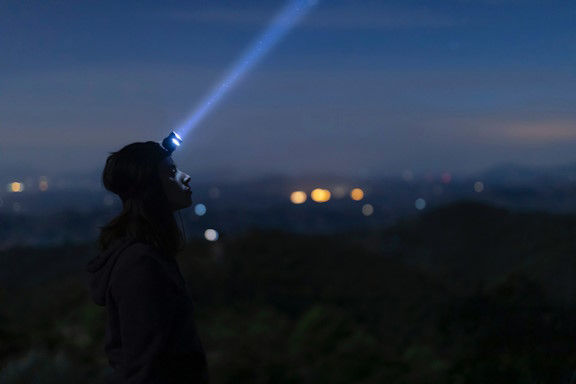
(From evidence-led weight management and hormone support to workplace policies, plant-based choices and night-sky escapes, 2026 wellness trends prioritise rest, recovery and a clearer sense of connection (Photo: Freepik))
Wellness in 2026 looks more personalised, data-led and quietly pragmatic than the scented-candle era that came before it. Instead of chasing a single miracle solution, consumers are layering habits across sleep, nutrition, movement and mental health, often supported by technology but grounded in daily routine. Analysts point to a shift from “nice to have” to “non‑negotiable”, particularly in areas such as workplace support, hormone health and healthy ageing, as health systems and employers try to keep pace with demographic and economic pressure. At the same time, interest in natural ingredients and plant-based alternatives is rising, not just for ethical reasons but because people say they want fewer additives and more transparency about what they consume.
The most influential wellness trends for the year ahead are therefore less about escapist indulgence and more about stacking small interventions, whether that means rethinking how you eat, using GLP‑1 medication under medical supervision, interrogating your sleep environment or booking a night-sky retreat instead of another city break. From offices offering structured mental health support to brands tailoring products to women throughout pre-, peri- and post-menopause, the focus is on tangible outcomes rather than vague promises, with wellness trends increasingly shaped by data, clinical research and a more informed consumer.
Natural wellness and plant-based alternatives

Analysts tracking global nutrition at Innova Market Insights point to “natural wellness” as a leading driver of product development in 2026, with roughly a third of consumers reportedly prioritising naturalness in their eating habits and looking for shorter ingredient lists. This aligns with broader wellness trends in which people favour food and drink that support gut health, stress management and energy without relying solely on synthetic additives or highly processed formats.
Plant-based options are also evolving from imitation meat into a wider ecosystem of protein-rich beverages, snacks and supplements that position themselves as both “authentic” and functional. Younger consumers in particular are said to view plant proteins as more natural than animal-based alternatives, which is influencing everything from ready meals to on-the-go drinks marketed around cognition, calm or immune support.
Widespread weight management with GLP-1
Prescription GLP‑1 receptor agonists, originally developed for type 2 diabetes, are now part of mainstream conversation around weight management and are expected to retain a visible place in wellness trends for 2026. McKinsey’s The Future of Wellness Report 2025 notes that consumers increasingly combine pharmacological tools like GLP‑1s with lifestyle changes, rather than treating them as standalone fixes, which is prompting new services around nutrition coaching, behavioural support and medical monitoring.
This growing market is also reshaping adjacent sectors, from food and beverage brands exploring smaller portions and higher protein to fitness providers reframing exercise around strength, metabolic health and quality of life rather than weight alone. As access, regulation and cost vary widely by region, many observers expect ongoing debate about how these drugs fit into responsible public health strategies and long-term weight management.
Hormone health in women in pre-, peri- and post-menopause
Women’s health is moving further into the foreground of wellness trends, with particular attention on hormone health from menstruation through perimenopause and post-menopause. Market researchers at WebMD Health Services highlight growing demand for targeted nutrition, supplements and diagnostics that address symptoms such as sleep disruption, mood changes and bone health, often bundled with skin and cognitive support.
At the same time, workplace and insurer interest in menopause support is increasing, with some employers exploring benefits that include access to specialists or tailored digital programmes. This visibility is encouraging more open discussion of pre-, peri- and post-menopausal experiences, which in turn is influencing product development and service design across healthcare, beauty and wellness platforms.
Workplace mental health support

Workplace wellbeing is moving beyond step challenges and occasional workshops towards more integrated mental health support, a shift set to define corporate wellness trends in 2026. Employers are being advised to link counselling, coaching, digital tools and managerial training so that mental health is treated as part of culture and workflow, not an optional add‑on.
Reports by WebMD Health Services suggest that forward-looking organisations are focusing on prevention, with strategies that include resilience training, psychological safety, clearer workload management and easier access to virtual therapy or coaching. Burnout prevention is described as “business‑critical”, supported by data that connects sustained wellbeing investment with higher productivity and retention, which is likely to keep mental health on the executive agenda.
Healthy aging with a focus on longevity
Longevity is emerging as one of the most powerful wellness trends, reframing ageing around healthspan rather than lifespan. Research shows consumers are spending across categories that promise better sleep, cognitive maintenance, mobility and metabolic health, from supplements to strength training and sleep optimisation gadgets.
Consultancy analysis notes that younger generations are starting preventive routines earlier, while older adults look for realistic, sustainable practices rather than extreme interventions. This is driving demand for services that combine medical screening, coaching and digital tracking, as well as travel products that package movement, nutrition and recovery into structured, longevity-focused retreats, McKinsey notes.
Night-sky connectedness and nature retreats

As urban light pollution grows, there is rising interest in experiences that restore contact with darkness and the night sky, often folded into nature-based retreats. Studies cited by Dark Sky International link night-sky connectedness with benefits for mental health, happiness and a sense of meaning, suggesting that time spent under natural darkness can reduce stress and strengthen feelings of awe and perspective.
Destinations with certified dark-sky status and operators offering stargazing, nocturnal walks or technology-free overnight stays are likely to draw more attention within wellness trends centred on nature immersion. For some travellers, swapping a packed city itinerary for a few nights of structured quiet, low lighting and guided observation of the sky is becoming a considered way to reset rather than an off-grid novelty.
These wellness trends point to an environment where data, clinical evidence and lived experience all play a part, whether that means tracking sleep, choosing minimally processed products or seeking out true darkness on a clear night to recalibrate. They reflect a steady shift toward choices that are easier to sustain in everyday routines.


 Ren Ecosystem