








Understanding the Mind-Body Connection:
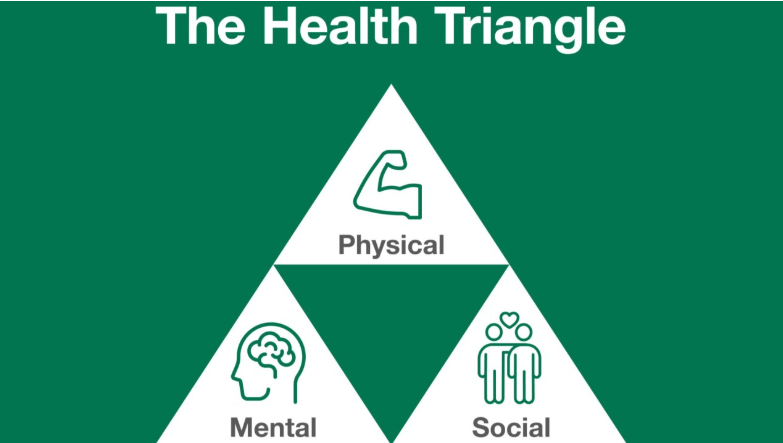
Emotional and mental health refer to an individual's ability to process feelings, manage stress, maintain relationships, and navigate life’s challenges. Physical health involves the proper functioning of the body’s systems, including the cardiovascular, musculoskeletal, neurological, and immune systems. When these systems function properly, individuals are better equipped to handle both physical demands and emotional pressures in everyday life. However, disruptions in either mental or physical health can influence the stability of the other. For example, prolonged emotional stress can contribute to fatigue, muscle tension, and weakened immunity, while chronic physical illness may lead to feelings of frustration, anxiety, or depression. Recognizing this interconnected relationship encourages individuals to care for both their psychological and physiological well-being in a balanced and intentional way.
When emotional stress becomes chronic, it can trigger physiological responses in the body. Stress hormones such as cortisol and adrenaline increase heart rate, blood pressure, and inflammation levels. Over time, this chronic activation can contribute to fatigue, headaches, digestive problems, sleep disturbances, weakened immunity, and even chronic pain conditions. Conversely, when individuals feel emotionally balanced and mentally resilient, the body tends to regulate these systems more effectively, promoting healing and vitality. For this reason, maintaining mental and emotional health is not simply a psychological concern, it is a fundamental component of physical wellness. When the mind is supported and stress is managed effectively, the body is better able to repair tissues, regulate hormones, and maintain optimal immune function. This highlights the importance of addressing emotional well-being as a key part of any comprehensive approach to long-term health.
Developing Healthy Stress Management Strategies:
Stress is an unavoidable part of life, but the way individuals manage stress determines its impact on health. Effective stress management begins with awareness. Recognizing the signs of stress such as irritability, fatigue, muscle tension, difficulty concentrating, or sleep disturbances allows individuals to address problems early before they become overwhelming. Developing healthy coping strategies can help prevent stress from escalating into more serious emotional or physical health concerns. Simple practices such as deep breathing, physical activity, or taking short breaks throughout the day can help regulate the body’s stress response. By responding to stress in constructive ways, individuals can maintain greater emotional balance and protect their overall health. Consistently practicing these strategies builds resilience, making it easier to navigate future challenges with calm and clarity.
Healthy coping mechanisms may include deep breathing, meditation, prayer, journaling, or spending time in nature. These activities activate the parasympathetic nervous system, often referred to as the body’s “rest and recovery” system. By intentionally engaging in calming activities, individuals can lower cortisol levels and promote emotional stability. It is equally important to avoid unhealthy coping habits such as excessive alcohol use, emotional withdrawal, or chronic overworking, which may temporarily mask stress but ultimately worsen both mental and physical health. Incorporating healthy coping strategies consistently into daily routines helps build long-term resilience against stress. Over time, these positive habits can improve overall mood, enhance focus, and strengthen the body’s ability to recover from life’s challenges.
Prioritizing Quality Sleep:
Sleep plays a vital role in maintaining both emotional balance and physical recovery. During sleep, the brain processes emotional experiences, consolidates memories, and regulates hormones that influence mood and stress response. Poor sleep is strongly associated with increased anxiety, irritability, depression, and impaired decision-making. Physically, inadequate sleep can weaken immune function, increase inflammation, and contribute to metabolic disorders. Consistently getting restorative sleep allows the body to repair tissues, strengthen the immune system, and restore energy levels for optimal daily functioning. Adequate sleep also supports cognitive performance, including attention, problem-solving, and emotional regulation. By prioritizing sleep as a key aspect of wellness, individuals can significantly enhance both their mental resilience and physical health.
To maintain healthy sleep patterns, individuals should aim for consistent sleep and wake times, reduce screen exposure before bedtime, and create a calm nighttime environment. Even small improvements in sleep quality can dramatically enhance emotional resilience and physical energy levels. Establishing a relaxing pre-sleep routine, such as reading, gentle stretching, or meditation, can signal the body that it is time to rest. Additionally, keeping the bedroom dark, quiet, and at a comfortable temperature supports deeper, more restorative sleep. Over time, these consistent habits help regulate the body’s internal clock, improve mood, and strengthen overall health. Prioritizing sleep as a non-negotiable part of daily life ensures that both the mind and body can function at their best.
Engaging in Regular Physical Activity:
Exerciseis one of the most effective tools for improving both mental and physical health. Physical activity stimulates the release of endorphins and neurotransmitters such as serotonin and dopamine, which help regulate mood and reduce symptoms of stress and depression. Additionally, exercise improves circulation, strengthens muscles and joints, enhances cardiovascular health, and promotes better sleep. Activities such as walking, swimming, cycling, yoga, or resistance training can provide substantial benefits when performed consistently. Beyond these physical and chemical benefits, regular exercise also boosts self-confidence, fosters a sense of accomplishment, and provides a healthy outlet for managing daily stress. Incorporating movement into daily routines encourages long-term habits that support both emotional well-being and physical vitality.
Importantly, exercise does not need to be intense to be effective. Moderate physical activity performed several times per week can significantly improve mood, reduce anxiety, and enhance overall well-being. Even simple activities like brisk walking, stretching, or taking the stairs can provide meaningful benefits when done consistently. The key is regularity and making movement a sustainable part of daily life, which reinforces both physical fitness and mental resilience. Over time, these consistent habits help regulate stress hormones, improve sleep quality, and increase overall energy levels. Engaging in physical activity with others, such as in group classes or outdoor activities, can also provide social support and motivation. Ultimately, incorporating movement into daily routines creates a positive cycle that strengthens both the mind and body.
Maintaining Strong Social Connections:
Human beings are inherently social creatures, and meaningful relationships are essential for emotional stability. Supportive friendships, family relationships, and community involvement provide individuals with opportunities to share experiences, seek guidance, and receive emotional encouragement during difficult times. Positive social connections help reduce stress, foster a sense of belonging, and promote overall mental well-being. Engaging with others also encourages the development of empathy, communication skills, and problem-solving abilities. By nurturing these relationships, individuals create a strong support network that can buffer against emotional challenges and enhance resilience.
Social isolation, on the other hand, is strongly associated with depression, anxiety, and increased risk of chronic disease. Maintaining regular contact with supportive people, whether through conversation, shared activities, or community involvement, can help reduce stress and foster a sense of belonging and purpose. Even simple interactions, such as spending time with loved ones or participating in community service, can have profound psychological and physiological benefits. Regular social engagement strengthens emotional resilience and provides a network of support during times of difficulty. Additionally, positive social interactions have been shown to lower blood pressure, reduce inflammation, and improve overall cardiovascular health. By prioritizing connection with others, individuals can enhance both their mental well-being and physical health.
Nourishing the Body with Proper Nutrition:
Nutrition plays a significant role in mental and emotional health. The brain requires a steady supply of nutrients to regulate neurotransmitters that influence mood and cognition. Diets rich in whole foods such as vegetables, fruits, lean proteins, healthy fats, and whole grains support stable energy levels and optimal brain function. Conversely, diets high in processed foods, refined sugars, and unhealthy fats can contribute to mood swings, fatigue, and cognitive decline. Proper hydration is also essential, as even mild dehydration can impair concentration and increase irritability. By prioritizing balanced nutrition, individuals can support both their mental clarity and overall physical health. Consistently nourishing the body with wholesome foods also helps regulate stress responses and strengthen immune function. Over time, these healthy dietary habits contribute to long-term emotional resilience and physical vitality.
Conversely, excessive consumption of processed foods, refined sugars, and stimulants may contribute to mood swings, fatigue, and inflammation. Hydration is also essential, as dehydration can impair concentration and increase feelings of fatigue. Balanced nutrition supports not only physical health but also emotional stability and mental clarity. Consistently choosing nutrient-dense foods helps regulate hormones, stabilize energy levels, and support proper brain function. Over time, these healthy eating habits can strengthen the body’s stress response, enhance cognitive performance, and improve overall well-being. By making mindful dietary choices, individuals can create a foundation for both lasting mental resilience and physical vitality.
Practicing Self-Reflection for Personal Growth:
An often overlooked component of emotional health is self-awareness. Regular self-reflection allows individuals to examine their thoughts, behaviors, and emotional responses. This process helps identify patterns that may contribute to stress, conflict, or dissatisfaction. Practicing mindfulness, journaling, or meditation can deepen this awareness and provide insight into personal triggers and coping strategies. Developing self-awareness also promotes emotional regulation, better decision-making, and healthier interpersonal relationships. By cultivating this skill, individuals can take intentional steps toward personal growth, resilience, and overall well-being. Over time, self-awareness empowers individuals to respond to challenges with greater clarity and composure. It also fosters a stronger sense of purpose and alignment between actions, values, and goals.
Practices such as mindfulness, meditation, prayer, or counseling can help individuals gain perspective and develop healthier emotional responses. Personal growth involves recognizing mistakes, learning from experiences, and continually striving to become a more balanced and compassionate individual. Engaging in these practices regularly strengthens emotional resilience and helps individuals navigate stress more effectively. Over time, they cultivate greater self-understanding, empathy, and the ability to maintain calm in challenging situations. By committing to ongoing personal development, individuals can foster a more stable, positive mindset and improve both their mental and physical well-being. Consistently applying these strategies allows individuals to respond to life’s challenges with greater clarity, patience, and confidence.
Seeking Professional Support:
Maintaining mental health does not mean facing challenges alone. Mental health professionals, counselors, physicians, and other healthcare providers play a vital role in helping individuals navigate difficult emotional experiences. Seeking support from trained professionals can provide guidance, coping strategies, and objective perspectives that are difficult to achieve on one’s own. Early intervention often prevents minor emotional struggles from escalating into more serious conditions. Therapy, counseling, or medical support can also teach practical skills for managing stress, anxiety, and depression effectively. By reaching out for help when needed, individuals demonstrate strength and a proactive commitment to their overall well-being. Accessing professional support also fosters long-term resilience and equips individuals with tools to maintain emotional balance throughout life.
Seeking professional support is not a sign of weakness but rather a proactive step toward health and resilience. Early intervention can prevent minor emotional struggles from developing into more serious conditions. Professionals can provide personalized strategies and coping mechanisms tailored to an individual’s unique circumstances. They can also help identify underlying issues that may be contributing to stress, anxiety, or depression, allowing for more effective treatment. Engaging in therapy or counseling creates a safe space to explore emotions, gain perspective, and practice healthier thought patterns. Additionally, professional guidance can enhance problem-solving skills and improve decision-making during challenging situations. By embracing support early, individuals strengthen their ability to navigate future difficulties with greater confidence and stability.
My Closing Reflections:
Emotional, mental, and physical health are deeply interconnected components of overall well-being. By managing stress effectively, prioritizing sleep, maintaining physical activity, cultivating meaningful relationships, eating nutritious foods, and practicing self-awareness, individuals can create a balanced lifestyle that supports both the mind and the body. When these elements work together, they reinforce one another, promoting greater resilience, energy, and clarity in daily life. A holistic approach helps prevent the onset of chronic illnesses, reduces the risk of mental health challenges, and enhances overall quality of life. Consistently nurturing both mental and physical health enables individuals to respond to stressors with greater calm and adaptability. By investing in these interconnected aspects of wellness, people can foster long-term vitality, emotional stability, and a stronger sense of purpose.
When these elements work together, people experience greater resilience, improved physical health, and a stronger sense of purpose in their daily lives. True wellness is achieved not by focusing on one aspect of health alone, but by nurturing the whole person mind, body, and spirit. Addressing all dimensions of health allows individuals to maintain balance, prevent burnout, and respond effectively to life’s challenges. This integrated approach also supports emotional stability, cognitive clarity, and physical vitality over the long term. By prioritizing holistic well-being, individuals can cultivate a life that is not only healthier but also more fulfilling, meaningful, and sustainable.


 Ren Ecosystem