








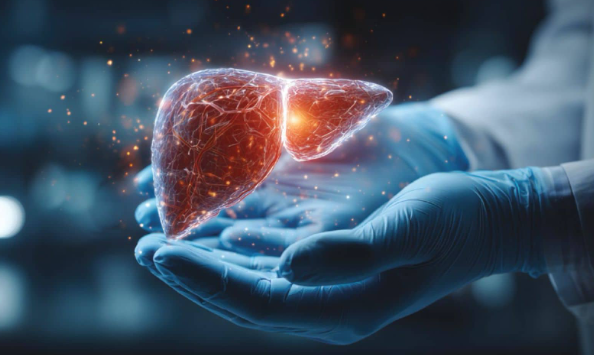
Non-alcoholic Fatty Liver Disease affects one in three adults globally, but early lifestyle changes can reverse the damage.
Your liver doesn't complain. It has no pain receptors, no warning system and no way to tell you when it's quietly accumulating fat. You might feel fine energetic, healthy but unaware that one of your body's most vi-tal organs is slowly being compromised.
Non-Alcoholic Fatty Liver Disease (NAFLD) is now the most common liver condition worldwide, affecting roughly one in three adults. Unlike alcohol-related liv-er disease, NAFLD is driven by metabolic dysfunction: insulin resistance, visceral fat accumulation and diets high in refined sugars and processed foods. The liver, your body's metabolic powerhouse, becomes overwhelmed trying to process excess glu-cose and fats. When fat exceeds five percent of the liver's weight, inflammation begins.
The progression is insidious. Simple steatosis fat buildup without inflamma-tion-can evolve into NASH (Non-Alcoholic Steatohepatitis), where the liver becomes inflamed and damaged. Left unchecked, this can lead to fibrosis, the formation of scar tissue, and eventually cirrhosis, irreversible scarring that compromises liver function entirely. NAFLD also significantly increas-es the likelihood of cardiovascular disease, type 2 diabetes and even liver cancer.
The condition is so prevalent that the medical community recently rebranded it. NAFLD is now called Metabolic Dysfunc-tion-Associated Steatotic Liver Disease (MASLD) to reflect its true nature as a sys-temic metabolic disorder. The name change signals a broader understanding of its caus-es and treatment.
Most people with NAFLD experience no symptoms until the disease has pro-gressed. Routine blood tests measuring liver enzymes (ALT and AST) can flag ab-normalities, prompting further investigation through ultrasound or a FibroScan, a non-invasive tool that measures liver stiff-ness and fat content.
But here's the empowering truth: the liver is remarkably resilient. In its ear-ly stages, NAFLD is reversible. Research shows that losing just seven to 10 percent of body weight can significantly reduce liver fat and inflammation. The most effective interventions are lifestyle-based. A Medi-terranean-style diet rich in omega-3 fatty acids, whole grains and vegetables helps the liver metabolise fat more efficiently.
Resistance training and aerobic exer-cise improve insulin sensitivity, reducing the metabolic burden on the liver. Even inter-mittent fasting has shown promise in reduc-ing hepatic fat accumulation. NAFLD isn't inevitable and it's not irreversible. With ear-ly detection and sustained lifestyle changes, the liver can recover and so can you.
Here are seven practical ways to protect your liver and reduce the risk of fatty liver disease.
1. Maintain a Healthy Weight
Excess body weight, particularly around the waist, is associated with a higher risk of fatty liver. For people who are overweight, gradual and sustainable weight loss can help reduce fat in the liver.
Even a modest reduction in body weight may bring health benefits. Avoid crash diets or rapid weight loss, as these may worsen liver health.
2. Reduce Sugar and Sweetened Drinks
Sugary drinks, soft drinks, sweetened coffee and fruit juices can add significant amounts of sugar to your daily diet.
Try replacing them with plain water, unsweetened tea or other low-sugar alternatives. Pay attention to added sugar in packaged foods as well.
3. Choose Healthier Foods
A balanced diet can support better liver health. Include more:
-
Vegetables and fresh fruits
-
Whole grains such as oats and brown rice
-
Fish and lean protein
-
Nuts, seeds and healthy unsaturated fats
At the same time, reduce fried foods, processed meats, refined carbohydrates and foods high in saturated fat.
4. Exercise Regularly
Physical activity helps improve insulin sensitivity, manage body weight and reduce fat accumulation in the liver.
Aim for at least 150 minutes of moderate-intensity exercise each week. Walking, cycling, swimming and dancing are practical options.
You do not need to start with intense workouts. Consistency matters more than intensity.
5. Watch Your Portion Sizes
Even healthy foods can contribute to excess calorie intake when eaten in large quantities.
Try using smaller plates, eating slowly and paying attention to hunger and fullness. Avoid making large meals and frequent snacking a daily habit.
6. Limit Alcohol and Be Careful with Supplements
Alcohol can add to liver damage, particularly in people who already have liver disease. It is important to discuss alcohol consumption with a healthcare professional if you have been diagnosed with fatty liver.
Be cautious with herbal remedies, detox products and supplements marketed as liver cleansers. Some products may actually harm the liver.
7. Get Regular Health Checks
Fatty liver often develops without obvious symptoms. People with diabetes, high cholesterol, high blood pressure or excess body weight may have a higher risk.
Regular medical check-ups can help identify potential problems. If you are concerned, speak with a healthcare professional about appropriate blood tests and liver assessments.
Small Changes, Better Liver Health
Protecting your liver does not require an overnight lifestyle transformation. Start with simple habits: choose water over sugary drinks, move more, eat balanced meals and maintain a healthy weight.
Your liver works hard every day. Give it the care it deserves.


 Ren Ecosystem