








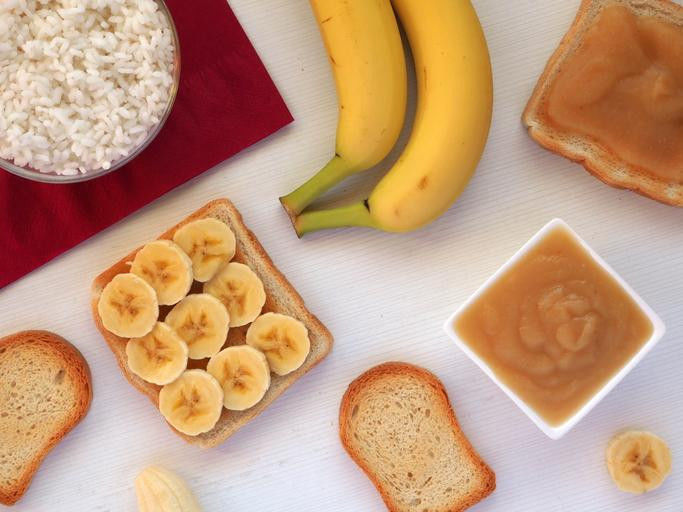
The BRAT diet — which stands for bananas, rice, applesauce, and toast — has long been recommended for people coping with diarrhea, nausea, and vomiting. These bland, low-fiber foods are easy to digest. But is this the best diet to help you recover from digestive woes?
There aren’t any studies comparing the BRAT diet with other options. “However, both apples and bananas contain a type of soluble fiber called pectin that binds excess water, which can help firm up your stools,” says Dr. Jacqueline Wolf, a gastroenterologist and associate professor of medicine at Harvard-affiliated Beth Israel Deaconess Medical Center.
Plain white rice is rich in starch, which is converted into soluble fiber in the gut. Bananas are also a good source of potassium, a mineral that’s often depleted when people have diarrhea. All these foods — including toast made from white or gluten-free bread — are bland and unlikely to trigger nausea or vomiting.
Beyond BRAT: A bland diet
It’s reasonable to follow a BRAT diet for a day or two if you’re stricken with stomach flu, food poisoning, or traveler’s diarrhea, says Dr. Wolf. But there’s no need to restrict yourself to just those four foods. Brothy soups, oatmeal, boiled potatoes, crackers, and unsweetened dry cereals are good options since they’re also easy to digest, she adds. Once your stomach has settled, add more nutritious foods to your diet, such as
- cooked squash, like butternut or pumpkin
- cooked carrots
- sweet potatoes without skin
- avocado
- skinless chicken or turkey
- fish
- eggs.
“These foods are all bland and easy to digest, but they also contain protein and other nutrients you need to recover,” Dr. Wolf says.
Foods to avoid with an upset stomach
When you have any type of digestive distress, it’s best to steer clear of foods and drinks that might make your symptoms worse, such as these:
- Alcoholic beverages and caffeinated drinks, such as coffee, tea, and sodas. Both alcohol and caffeine can promote dehydration, which is common when you lose too much fluid from vomiting or diarrhea.
- Dairy products such as milk, yogurt, cheese, butter, and ice cream. While you have a gastrointestinal infection, the cells lining your small intestine may lose the ability to break down lactose (a sugar found in milk), causing gas, bloating, and diarrhea after eating dairy products.
- Sugary foods such as candy, cakes, cookies, and other desserts. Excess sugar draws extra water into the colon, worsening diarrhea.
- Fried foods such as French fries, donuts, and potato chips. Fatty foods linger longer in the stomach, making heartburn and nausea more likely.
- Acidic foods such as citrus fruits, tomato sauces, and foods containing vinegar. These may also lead to heartburn and nausea. The same is true for spicy foods.
- Insoluble fiber found in leafy greens, fruit and vegetable skins, popcorn, nuts, seeds, and beans. This form of fiber can be hard to digest when your intestines aren’t working properly. These foods also promote more frequent bowel movements, and beans may cause increased gas and bloating.
What if you can’t keep any food down?
“If you’re really nauseated and throwing up, you won’t be able to tolerate any food,” says Dr. Wolf. One of the most common causes of stomach flu (also known as viral gastroenteritis) is a norovirus infection. The vomiting and diarrhea typically last one to three days but sometimes longer.
Even if you can’t eat, it’s very important to keep drinking fluids to stay hydrated, she says. Take small sips of water, or suck on ice chips. Other good choices are broth, popsicles, diluted fruit juice (half water, half juice), or weak, decaffeinated tea.
Recognizing and treating dehydration
If you lose too much fluid from vomiting, diarrhea, or both that lasts more than two days, you may become dehydrated. Symptoms include feeling weak and not urinating much. Dr. Wolf doesn’t recommend sports drinks such as Gatorade or Powerade if you are dehydrated. Instead, try an oral rehydration solution, such as Pedialyte or Oralyte, which contains the right balance of sugar, sodium, and other minerals to treat and prevent dehydration. You can also make your own by mixing 4 cups of water, 1/2 teaspoon salt, and 2 tablespoons of sugar.
Call your doctor if your symptoms last more than a few days, if symptoms are severe, or if you develop other symptoms, such as blood in your stool or the feeling that you might pass out.


 Ren Ecosystem