








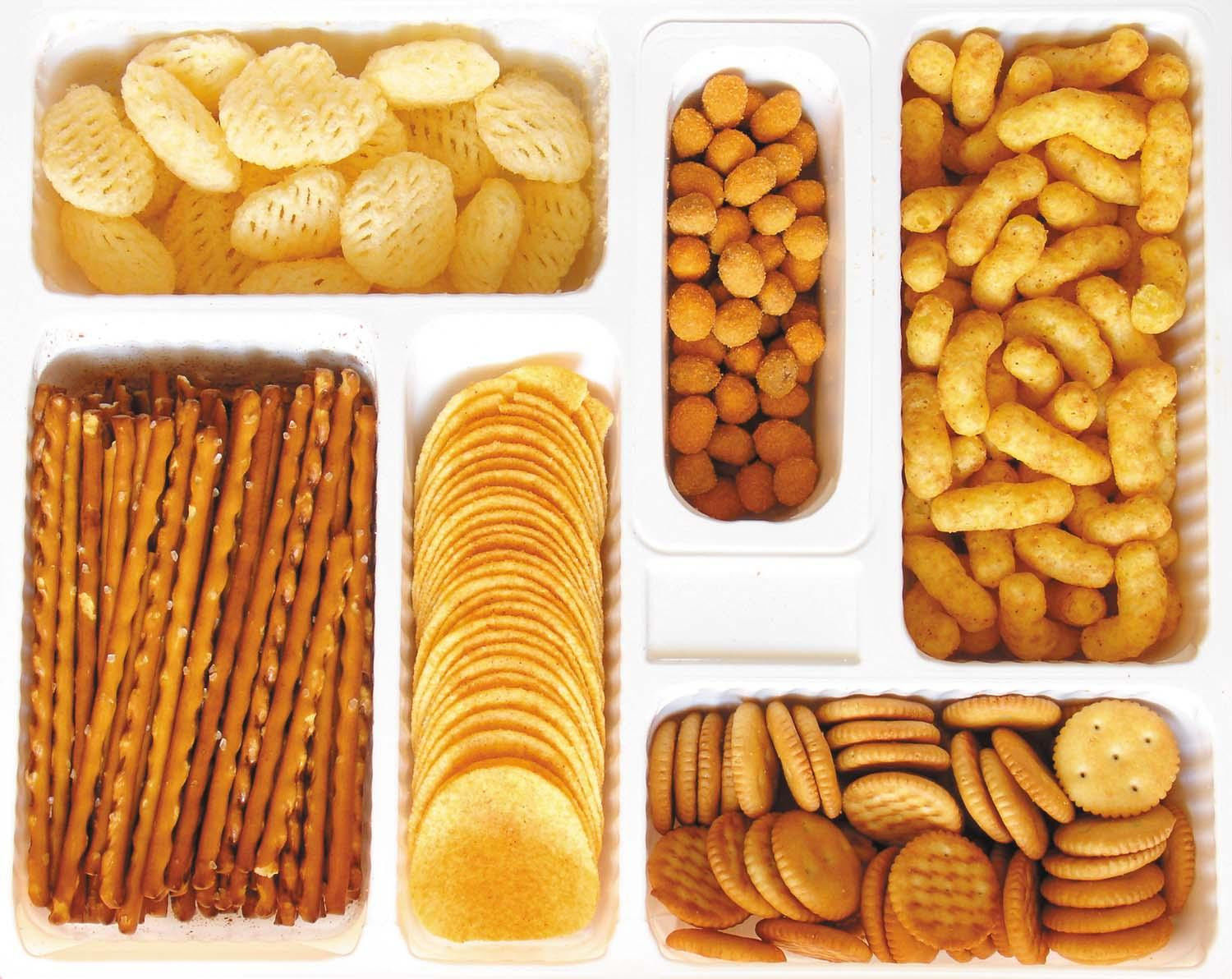
Research has consistently shown that eating ultra-processed foods raises the risk for obesity. However, scientists have been unclear about what the main problem is with ultra-processed food: how it’s made, or whether people just eat too much. A study in the October 2025 issue of Cell Metabolism suggests that the nature of the food itself is the problem.
Scientists compared the health impact of unprocessed and ultra-processed diets on 43 men ages 20 to 35. Both the unprocessed and ultra-processed diets contained the same amounts of calories, protein, carbohydrates, and fats. Another version of the two diets included an extra 500 daily calories.
Ultra-processed foods were defined as those produced through complex industrial processing and containing highly transformed or synthesized ingredients and nutrients associated with poor health, such as saturated fats and refined carbohydrates.
Participants were randomly assigned into two groups. For three weeks, one group followed either an unprocessed or ultra-processed diet, and the other group followed an unprocessed or ultra-processed diet with the extra daily calories. After a three-month break, participants in each group switched their respective diets and repeated the trial.
The scientists found that men gained around 2.2 pounds of fat mass while on the ultra-processed diet compared to the unprocessed diet, regardless of whether they consumed extra calories. The findings suggest that the processing aspect, not overeating, was to blame for the weight gain, according to the researchers.


 Ren Ecosystem